Overview
The 2026 Porsche Cayenne EV is Porsche’s biggest and most extreme electric SUV ever — not a replacement for the petrol Cayenne, but a full EV alternative built to sit alongside it.
Powered by up to 1100 horsepower, equipped with 400 kW DC fast charging, and capable of fully wireless home charging, the Cayenne EV launches Porsche into a new era of electrified performance.
And based purely on the details experienced in this early walkaround, it might be one of the most capable EV SUVs ever created.
Design: The Boldest Cayenne Yet
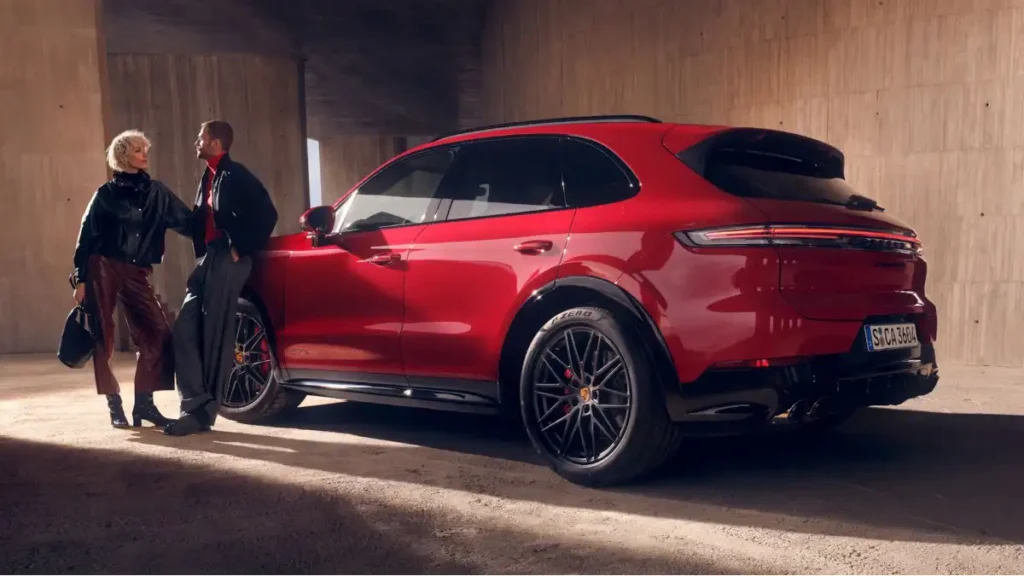
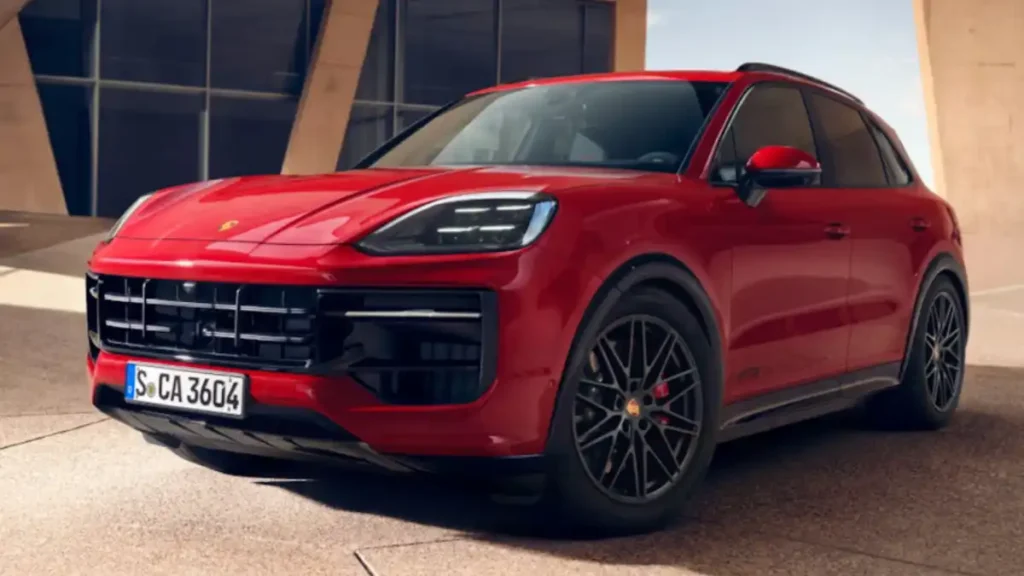
Porsche kept the familiar Cayenne silhouette but pushed the EV model much further in design than any previous generation.
Key Exterior Changes
- New squared-off LED headlights similar to the Taycan
- Active aero flaps in the front bumper
- Functional side aero blades — first time on a Porsche SUV
- New active rear wing
- 22-inch wheel options
- Carbon-ceramic brakes available
- Dual charging ports (AC on RHS, NACS DC on LHS)
The EV Cayenne also debuts Porsche’s largest-ever iron-cast brake, measuring over 400 mm in diameter.
This is the most radically updated Cayenne design Porsche has ever released — purposeful, aggressive, and clearly built for EV aerodynamics.
Powertrain and Performance: Supercar Numbers
Porsche doesn’t hold back here.
Standard Cayenne EV
- 400+ hp
- 0–60 mph under 5 seconds
Cayenne Turbo Electric
This is where things get insane:
- ~850 hp in normal mode
- +173 hp push-to-pass boost
- ~1100 hp in launch mode
- 0–60 mph: 2.4 seconds (no rollout)
- ¼ mile: 9.9 seconds
Yes — a full-size SUV running sub-10-second quarter miles.
Porsche is even testing a wilder Turbo GT EV, which may surpass these numbers.
This instantly places the Cayenne EV at the top of the performance SUV world.
Battery, Range & Charging
The Cayenne EV uses an 113 kWh pack on an 800V architecture, giving it serious charging capability.
Real-World Expectations
- At 46% charge, display showed 139 miles
- Estimated total range: high 200s to low 300s miles
Charging
- 400 kW peak DC fast charging
- 10–80% in under 20 minutes
- Fully integrated NACS port (first for Porsche)
This EV is clearly tuned for long-distance usability, not just performance.
Wireless Charging: The Game-Changer
Unlike the McLaren Speedtail’s ultra-complex system, Porsche’s implementation is clean, intuitive, and actually practical.
Wireless Charging Highlights
- Works at up to 11 kW
- Weather-resistant pad (can be mounted outdoors)
- Car guides itself over the pad using on-screen markers
- Auto interrupts if something moves underneath (even animals)
- Sends alerts to the Porsche app if charging is interrupted
Just park, align with the visual guide, stop the car — and it charges.
For most commuters, this could eliminate public charging altogether.
This is next-level convenience.
Interior: Familiar Porsche, But With a Twist
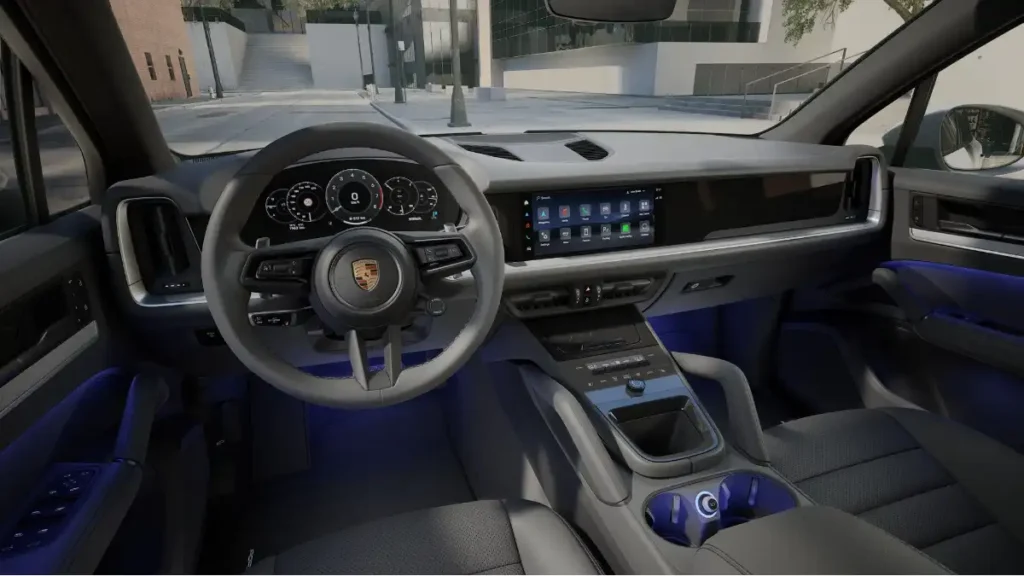
Inside, the Cayenne EV feels like a modernized Cayenne but introduces major new elements.
Interior Highlights
- New curved driver display
- Large single curved center screen (replaces dual-screen setup)
- LED dashboard light strip (ambient + functional alerts)
- Physical climate controls remain (big win for usability)
- New center console layout
- Updated cupholders & storage
The curved screen attracted skepticism in press photos but feels natural and intuitive in person.
Even the ambient light strip provides real utility — blinking for phone calls, charging alignment, or notifications.
Space, Boot & Frunk
Despite the EV packaging, the Cayenne remains practical.
Rear Cargo
- Spacious boot
- Foldable rear seats for extra load space
- Subfloor storage for charging cables
Frunk
The front storage is surprisingly deep — not enough for a full carry-on, but much better than rival EV SUVs that offer none.
Pricing
As expected, Porsche positions the Cayenne EV as a premium product.
US Pricing
- Base Cayenne Electric: ~$110,000
- Cayenne Turbo Electric: ~$165,000
Compared to rivals:
- Rivian R1S Max
- Lucid Gravity
- Mercedes EQE SUV
- BMW iX M60
The pricing aligns with Porsche’s brand — expensive, but backed by unmatched performance and engineering.
Should Gas Cayenne Owners Switch?
Based on this early walkaround — maybe, yes.
Reasons to Switch
- 1100 hp performance
- 400 kW fast charging
- Wireless home charging
- Active ride system coming
- Porsche-level build and refinement
The Cayenne EV aims to deliver everything the Cayenne Turbo GT offers — with even more straight-line capability and much smoother everyday driving thanks to electrification.
Verdict
The 2026 Porsche Cayenne EV isn’t just Porsche’s next SUV — it’s a statement.
A 1100 hp electric SUV with active aero, wireless charging, extreme performance, and genuine daily practicality isn’t something you see every day.
Pros ✅
- Insane performance (2.4s to 60 & 9.9s quarter mile)
- Wireless charging done right
- Beautifully executed new interior
- Real-world range in the 300-mile region
- Huge leap in aerodynamics and tech
Cons ❌
- Very expensive
- Exterior design may divide opinion
- Range still depends on driving style
- Early prototype interior may evolve
Final Word:
The Cayenne EV is Porsche throwing everything into the future of electric SUVs — performance, convenience, engineering, and luxury all in one package.
If Porsche nails the driving dynamics, this could be the new benchmark for high-performance EV SUVs.

Pravin is a tech enthusiast and Salesforce developer with deep expertise in AI, mobile gadgets, coding, and automotive technology. At CarzCorner, he shares practical insights and research-driven content on the latest tech and innovations shaping our world.